
GM Pays $220M Over Driver Data. 700,000 New Yorkers Were Enrolled.
A 36-attorney-general settlement says GM sold driving habits that could reach insurers. What happened, what changes and what New Yorkers can do.
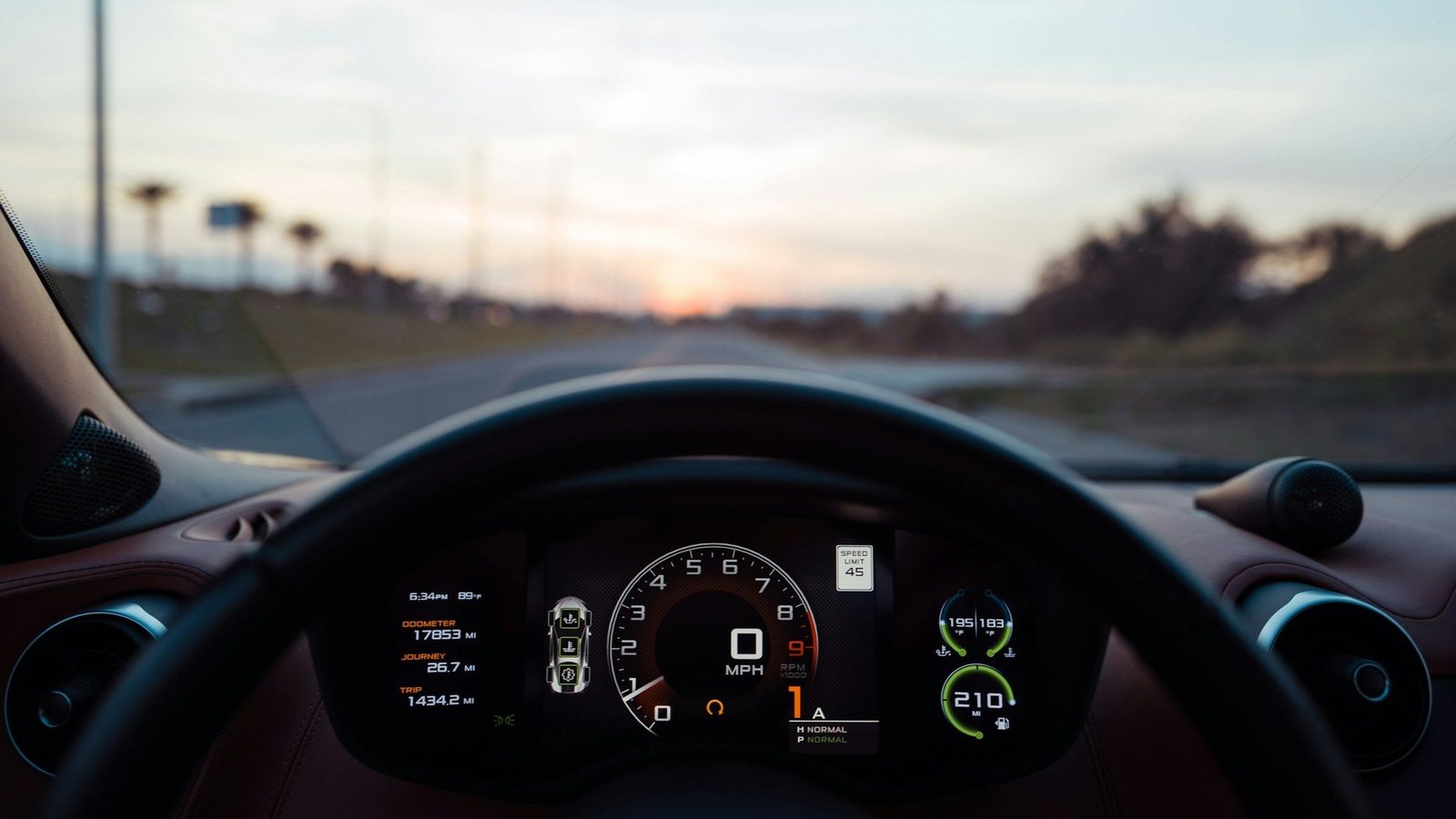
Connected cars track trips, braking and speed. Here is what the GM settlement changes. Photo: Dennis Eusebio / Unsplash.
Your car knows when you leave the house. It knows how hard you brake on the Major Deegan, how fast you take the ramp onto the FDR, and what time you got home last Saturday night. For years, a lot of drivers had no idea that information might end up somewhere other than their dashboard.
This week, that bill came due. On Oct. 29, New York Attorney General Letitia James announced that General Motors will pay $220 million to settle a multistate investigation into the sale of drivers' private driving data. New York's share is $12,054,341. James and 35 other attorneys general, a bipartisan group, signed on.
What GM allegedly did
The heart of the case is a program called Smart Driver, which ran from 2016 to 2024 and enrolled millions of drivers nationwide, including more than 700,000 in New York, according to the attorney general's office.
Smart Driver tracked how many trips you took, when they started and ended, hard braking, rapid acceleration and speeding. GM pitched it as a way to become a better driver and said it would not share data with insurers without express consent. The investigation found that GM sold the data to data brokers under contracts saying it would be used for insurance products, and the brokers could sell it on to insurers, who could use it to adjust premiums.
A few details make this hit harder:
- Enrollment at the dealership. Many drivers were signed up while buying a car, through a combined OnStar and Smart Driver signup. The AG says dealership employees sometimes accepted terms on customers' behalf, and GM paid dealers bonuses tied in part to enrollment numbers.
- The app said no. The OnStar app told more than 370,000 drivers they were not enrolled while GM kept collecting and selling their data, according to the AG. GM later unenrolled them without explaining the error, and data already collected stayed with brokers and insurers.
- Real money on the line. Yahoo News reported that one driver saw a 22% increase in an insurance premium based on broker data.
ClaimDepot, which tracks settlements, identifies the brokers as Verisk Analytics and LexisNexis Risk Solutions. Kelley Blue Book previously reported that GM said it ended its telematics relationships with both companies.
GM, for its part, says connected car data makes for safer and more personalized experiences, and a spokesperson said the company is committed to being clear about what information is used and what choices customers have, according to Yahoo News. The findings described above are allegations from the investigation.
What the settlement actually changes
The money goes to the states, not to drivers. ClaimDepot says there is no claims process and no payment available to individual drivers at this time. That will frustrate people, and it is worth saying clearly so nobody falls for a scam promising a "GM refund."
What the settlement does require, per the AG's office: GM must limit the driving data it collects, run a full privacy program with both internal and independent third-party assessments, and add oversight and training at dealerships so nobody gets enrolled without consent. Yahoo News adds that GM must get explicit consent from drivers before collecting or sharing their data.
This is not GM's first round. In January 2025, the Federal Trade Commission announced an order barring GM for five years from disclosing drivers' geolocation and behavior data to consumer reporting agencies, and requiring affirmative consent for certain data for 20 years, according to Kelley Blue Book. GM also previously paid $12.75 million to settle a California investigation.
James summed up the case this way: "New Yorkers should never have to worry about a car company tracking their every move when they get behind the wheel."
Why this matters beyond one carmaker
From where we sit, with years in ad tech, we know how this works. Data that looks harmless in one place becomes valuable in another. A hard brake is just a hard brake until it becomes a risk score that follows you to your insurance renewal.
That matters a lot in this city. New Yorkers already pay some of the highest costs of living in the country, and for working families in the Bronx, Queens and Brooklyn who need a car for the job, an unexplained bump in a premium is not a rounding error. When consent is buried in a dealership signature, the people least likely to read the fine print are the ones who get hit hardest.
And GM is not the only company with a connected car. Kelley Blue Book's January 2025 report noted that two U.S. senators had found other automakers, including Honda and Hyundai, still selling similar data at the time. Your car is a computer. Treat it like one.
A city getting tougher on fine print
The GM case lands during a busy season for consumer protection in New York. Since Oct. 1, the city's "Click to Cancel" rule requires businesses to clearly explain subscription terms and let people cancel the same way they signed up, according to NBC New York. Complaints go to 311.
And on Oct. 20, the city's Department of Consumer and Worker Protection proposed rules on automated customer service, according to a Troutman Pepper Locke newsletter. Businesses would have to disclose at the start of an interaction that you are not dealing with a human, and failing to offer a one-step transfer to a person (or a specified alternative) would be presumed deceptive. A public hearing is set for Nov. 19, and comments are due that day.
Put those together and the direction is clear: regulators are going after the gap between what a company says and what it actually does with your money and your data.
What you can do now
- Ask GM for your data. Under the settlement, drivers can request a copy of their data and a list of the types of companies that received it, according to ClaimDepot.
- Check what brokers hold. LexisNexis lets consumers request a Consumer Disclosure Report under the Fair Credit Reporting Act through its online consumer portal or by mail.
- Review your car's settings. Turn off location tracking or connected services you did not choose, and read before you sign at the dealership.
- Report problems. New York's attorney general takes consumer complaints online, and NYC consumer issues go to 311.
This is general information, not legal advice. If you think your data was misused or your rates were affected, talk to a consumer attorney or legal aid organization.
Your turn
Did you know your car could be collecting this much about how you drive, and would you pay more for a car that collects nothing? Tell us in the comments.
Follow @theinnovatorsden.
Sources: NY Attorney General · FingerLakes1 · Yahoo News · ClaimDepot · Kelley Blue Book · NBC New York · Troutman Pepper Locke · LexisNexis